


Breast Shape


FULL ALL AROUND
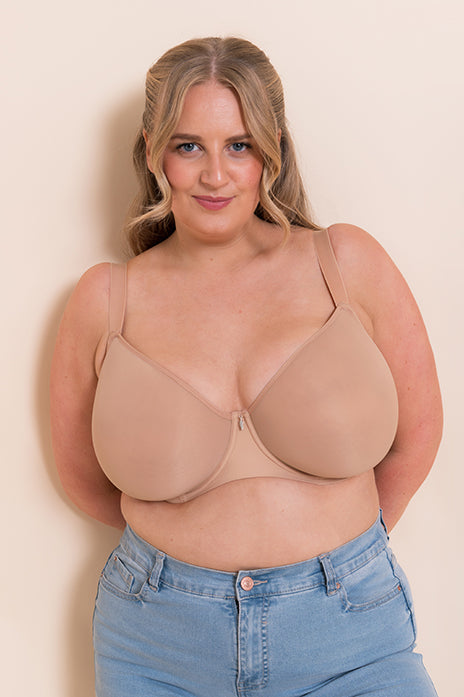
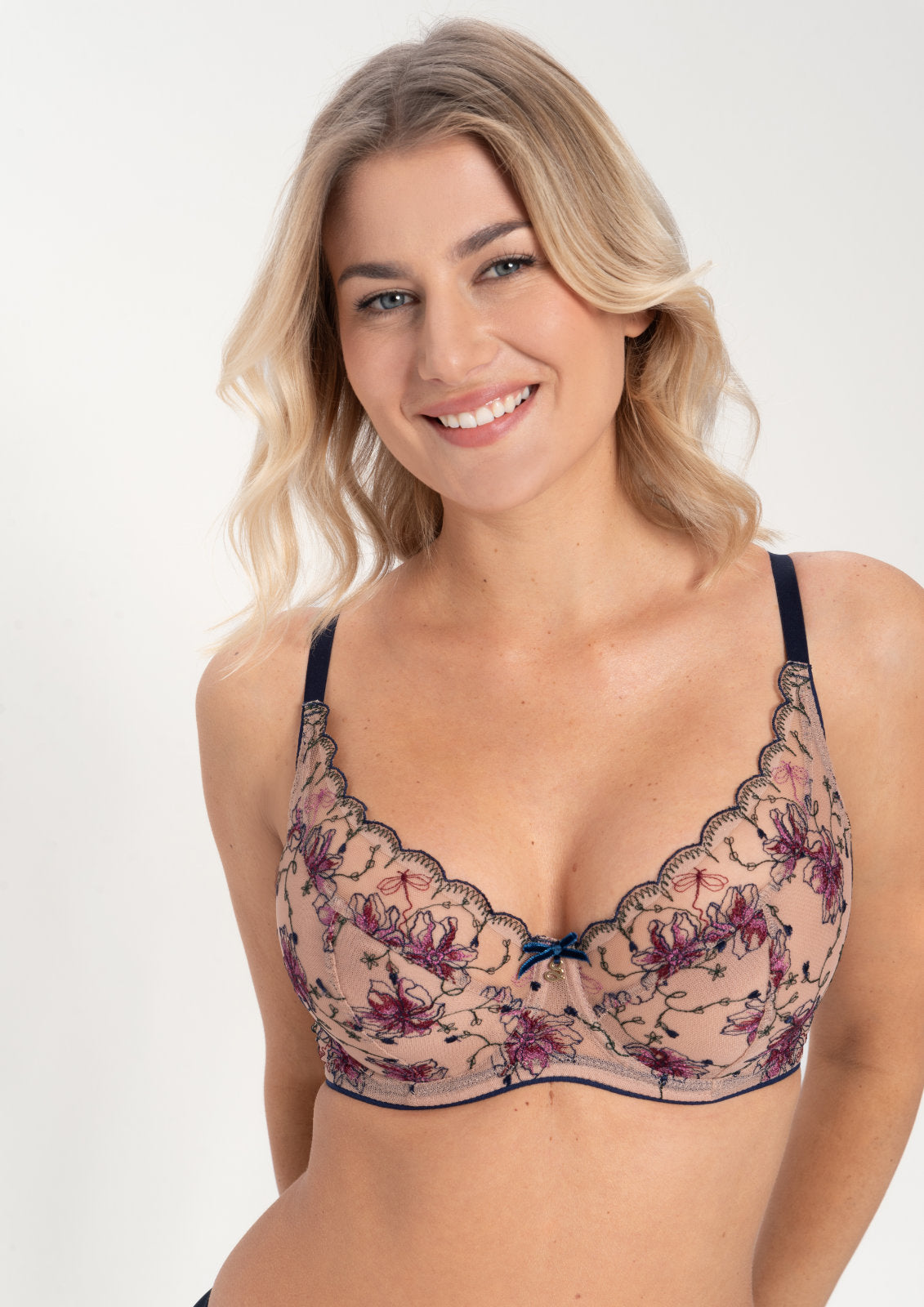
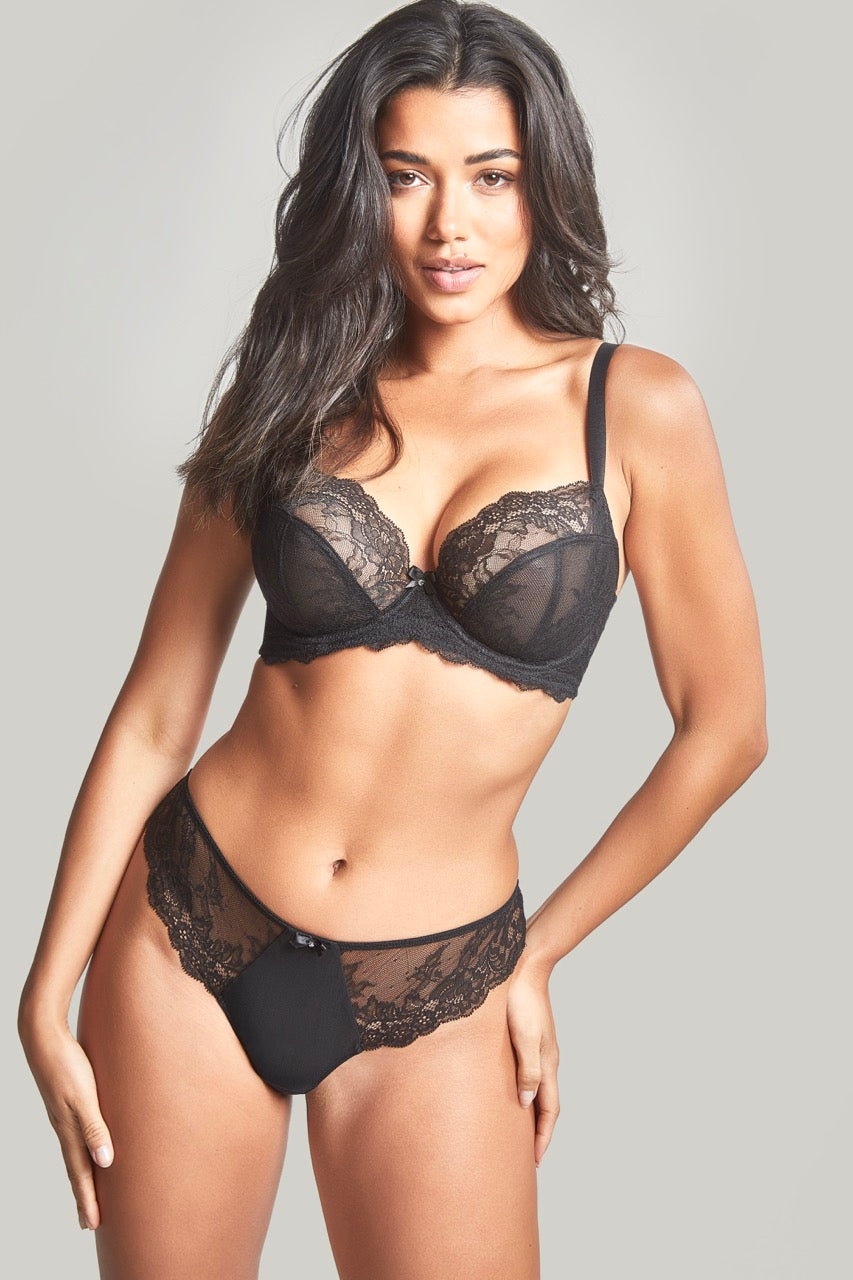
Your breast tissue or volume is located evenly around the top and bottom halves of the breasts and your nipple sits in the middle of your breast.
Styles that work well:

Along with shape, a few other factors can influence how your bras fit. We map our products on the basis of

BREAST PROJECTION
This refers to how far your breasts project outward from your chest wall. Projection is a spectrum. So if your breasts sit close to your chest and don't stick out much, you likely have shallower breasts. If they project outward noticeably, you likely have full or projected breasts. The standing and leaning overbust measurements used in our bra size calculator also help us in estimating your breast projection.

BREAST SPACING
This is about how close or far apart your breasts are from each other. If your breasts sit close together with little space in between, they're close-set. If there's more space between them, they're side-set.
Bras for Close-Set Breasts: Plunge
Bras for Side-Set Breasts: Side-Support

ROOT WIDTH
Your breast root is the outline of where your breasts are attached to your chest. Support your breasts with your hands, and look in the mirror – your roots are the curved line at the base of your breasts. Wide roots spread across more of the chest, often into the armpit. Narrow roots tend to stay on the front of your chest.
ONE SIZE DOESN'T FIT ALL
Your best fit
starts here.
Do your bras pinch, shift or slip off your shoulder? Let's nip those problems in the cup and find you your best fit yet.
Bra Parts & Common Issues


| BRA PART | What is it? | Common Issues |
|---|---|---|
| Cups | The cups are where your breast tissue sits. They can be lined or unlined, seamed or seamless, and play a key role in shaping and supporting your breasts. | Breast spillage/ bulging, Gaping cups, Chaffing or cutting in under the armpit |
| Band | The band is the part of the bra that wraps around your torso — and it's responsible for providing about 80% of the support. A well-fitting band is the foundation of a supportive bra. | Band rides up, Band digs in, Band easily pulled away from the body, Back pain |
| Underwire | Usually made of metal or plastic, underwires run along the bottom and sides of the cups. They help define the bra's shape and create an uplifted silhouette. | Poking or Digging in of wires |
| Gore | The gore is the small panel at the centre front of the bra that connects the two cups. In an ideal fit, the gore should sit flat against your sternum. | Floating gore, Gore digging into the sternum |
| Wings | These are the side and back portions of the bra that stretch from the outer edge of the cups to the hooks or closures. They help anchor the bra and contribute to a smooth fit under clothing. | Being able to wear a new bra on the tightest hook |
| Straps | Straps help keep your bra secure and stable, but they're only meant to carry around 20% of the weight of your breasts. They're almost always adjustable and should be set to a two finger tension for optimal support. | Loose straps, Straps sliding off, Shoulder pain/ tension |
ONE SIZE DOESN'T FIT ALL
Experiencing any of
the issues above?
Let's nip those problems in the cup and find you your best fit yet. Calculate your bra size, or book a fitting.
Types of Bras
Lorem ipsum dolor sit amet, consectetur adipiscing elit. Sed auctor pretium justo at dignissim.

FULL CUP BRA
A full cup bra covers most of the breast tissue, offering maximum coverage and support. It's a great option for everyday wear, especially for fuller busts, and helps prevent spillage at the top or sides.

BALCONY BRA
Also known as a balconette, this bra has wide-set straps and a horizontal neckline, offering a lifted, open shape. It provides moderate coverage and is great for wide necklines or square-cut tops. Best suited for those with broader shoulders and bottom fullness.

PLUNGE BRA
A plunge bra features a deep V-neckline, making it perfect for low-cut tops and dresses. It brings the breasts inward and enhances cleavage, often with angled cups and a low centre gore which is ideal for close-set breasts.

STRAPLESS BRA
Designed to stay up without shoulder straps, a good strapless bra relies on firm bands, grippy edges, and strong underwires for support. Not all strapless bras are built for fuller-busts — at Scoop, we only stock ones that actually hold up.

SPORTS BRA
A sports bra is made to minimize bounce and movement during physical activity. Depending on the style, it may compress or encapsulate each breast separately. A supportive sports bra is a must-have for comfort, control, and long-term breast health, especially for fuller busts.


Not sure what style is ideal for you?
Bra Features
Each bra has a unique construction with features that aid specific concerns.
These bras (commonly called T-shirt bras) have cups made from foam or spacer fabric, usually seamless, to create a smooth silhouette under clothes. They gently shape the breasts into a predefined contour. While they offer coverage and invisibility, they’re often less supportive than unlined bras, especially for fuller busts.
Confused about what
features will work for you?
Three ways to get the fit you've always wanted. Expert guidance, wherever you're most comfortable. Book a fitting!


